
 Image 1 of 1
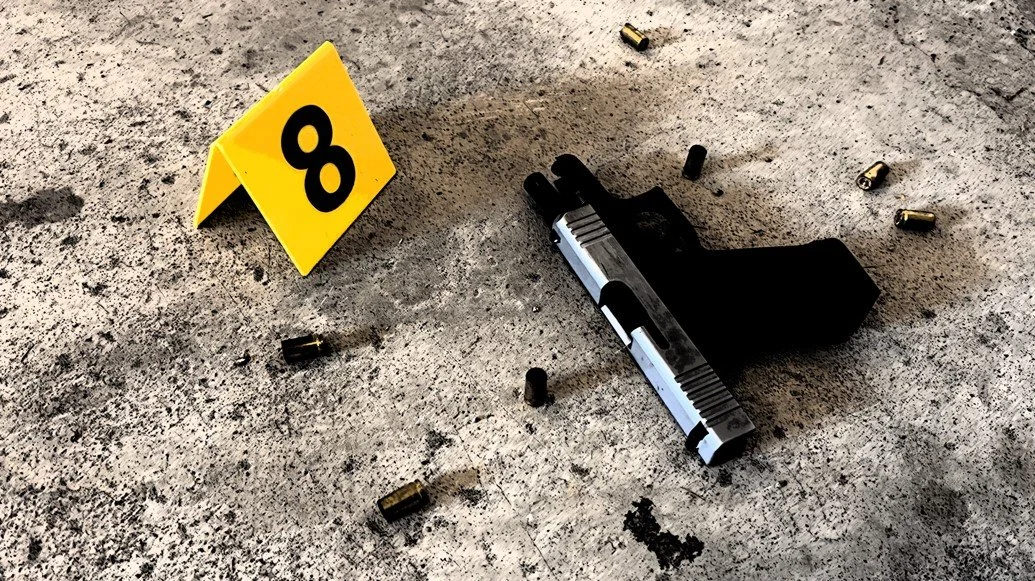
This 16-hour course is designed to bridge the gap between patrol response to crime scenes and detectives/CSI personnel, this course draws from over 20 years of experience processing crime scenes for small to medium sized departments in rural areas. Class is a blend of lecture and hands-on experience. Case studies are used to highlight the importance of preservation and processing of a crime scene. Although this course is specifically designed to enhance the capabilities of patrol personnel; this course is also suitable for new detectives who have had limited exposure to crime scene techniques.
Primary Course Topics:
-Introduction to Forensic Sciences
-Responsibilities of the First Responder
-Crime Scene Security and Integrity
-The “Basic” Crime Scene Kit
-Personal Protective Equipment
-The “Tactical” Crime Scene Pause and “Order of Operations”
-Fundamentals of Crime Scene Photography (Emphasis on Smart Phones with Evidence Database Upload Capabilities)
-Crime Scene Diagraming
-Collection and Packaging of DNA Evidence
-Blood Evidence and Presumptive Testing
-Fingerprint Evidence, Techniques and Considerations
-Footwear and Tire Tread Evidence
-Firearms and Ballistic Evidence
-Many more techniques and topics!
Prerequisites:
This 16-hour course is designed to bridge the gap between patrol response to crime scenes and detectives/CSI personnel, this course draws from over 20 years of experience processing crime scenes for small to medium sized departments in rural areas. Class is a blend of lecture and hands-on experience. Case studies are used to highlight the importance of preservation and processing of a crime scene. Although this course is specifically designed to enhance the capabilities of patrol personnel; this course is also suitable for new detectives who have had limited exposure to crime scene techniques.
Primary Course Topics:
-Introduction to Forensic Sciences
-Responsibilities of the First Responder
-Crime Scene Security and Integrity
-The “Basic” Crime Scene Kit
-Personal Protective Equipment
-The “Tactical” Crime Scene Pause and “Order of Operations”
-Fundamentals of Crime Scene Photography (Emphasis on Smart Phones with Evidence Database Upload Capabilities)
-Crime Scene Diagraming
-Collection and Packaging of DNA Evidence
-Blood Evidence and Presumptive Testing
-Fingerprint Evidence, Techniques and Considerations
-Footwear and Tire Tread Evidence
-Firearms and Ballistic Evidence
-Many more techniques and topics!
Prerequisites: