Tactical Tracking I

$800.00
sold out

Course Description

4 Days- 40 Hours (5 Days - 40 Hours, Format Dependent)

Maximum- 20 Students

**Limited to L.E./MIL Personnel**


This 40-hour course focuses on the basics of conducting a tracking operation for small to midsized agencies with limited resources. Students will learn the fundamentals of tracking and how to apply them to increase the tracking team's effectiveness. They will also participate in several hands-on exercises, including force-on-force and live-fire* exercises, that culminate in a full-scale strategic tracking exercise.

Students should be capable of moderate physical exertion in field conditions for at least six hours each day. Depending on class size and the terrain of the course location, students may walk approximately eight miles per day.

*Live-fire exercises will only be conducted for those courses with suitable facilities to accommodate the safe use of firearms in an environment away from the primary training location. *

Topics Covered:

-Applications of Tracking

-Fundamentals of Tracking

-Properly Recording Sign

-Tracker/Tracking Team Safety

-Tracking Team Formations

-Strategic Application of Tracking Teams and Other Assets

-Lost Track Drills

-Introduction to Land Navigation

- Collection and Preservation of Evidence in the Field

-Suspect Contact Considerations and Immediate Actions Upon Contact

-Introduction to Thermal Imagery for the Tracker.

Course Description

4 Days- 40 Hours (5 Days - 40 Hours, Format Dependent)

Maximum- 20 Students

**Limited to L.E./MIL Personnel**


This 40-hour course focuses on the basics of conducting a tracking operation for small to midsized agencies with limited resources. Students will learn the fundamentals of tracking and how to apply them to increase the tracking team's effectiveness. They will also participate in several hands-on exercises, including force-on-force and live-fire* exercises, that culminate in a full-scale strategic tracking exercise.

Students should be capable of moderate physical exertion in field conditions for at least six hours each day. Depending on class size and the terrain of the course location, students may walk approximately eight miles per day.

*Live-fire exercises will only be conducted for those courses with suitable facilities to accommodate the safe use of firearms in an environment away from the primary training location. *

Topics Covered:

-Applications of Tracking

-Fundamentals of Tracking

-Properly Recording Sign

-Tracker/Tracking Team Safety

-Tracking Team Formations

-Strategic Application of Tracking Teams and Other Assets

-Lost Track Drills

-Introduction to Land Navigation

- Collection and Preservation of Evidence in the Field

-Suspect Contact Considerations and Immediate Actions Upon Contact

-Introduction to Thermal Imagery for the Tracker.

Required Equipment List

ð       Tactical / Utility Uniform Appropriate for Current Season and Weather

ð       Broken in Boots that Provide Ankle Support

ð       Plate Carrier / Tactical Vest / L.B.E. Gear (Duty Belt)

ð       Duty Rifle with at least three magazines

**Magazine Safety Block will be issued to all students at the beginning of the course.

ð       Handgun

**With appropriate holster and at least two magazines.

ð       Individual First Aid Kit with Tourniquet

ð       Personal Boo-Boo Kit with any Necessary Medications (i.e. Allergy Medication, IBU)

ð       Small Assault Style or Day Pack w/ Hydration System / Water Bottles

ð       Gloves

ð       Binoculars (Optional)

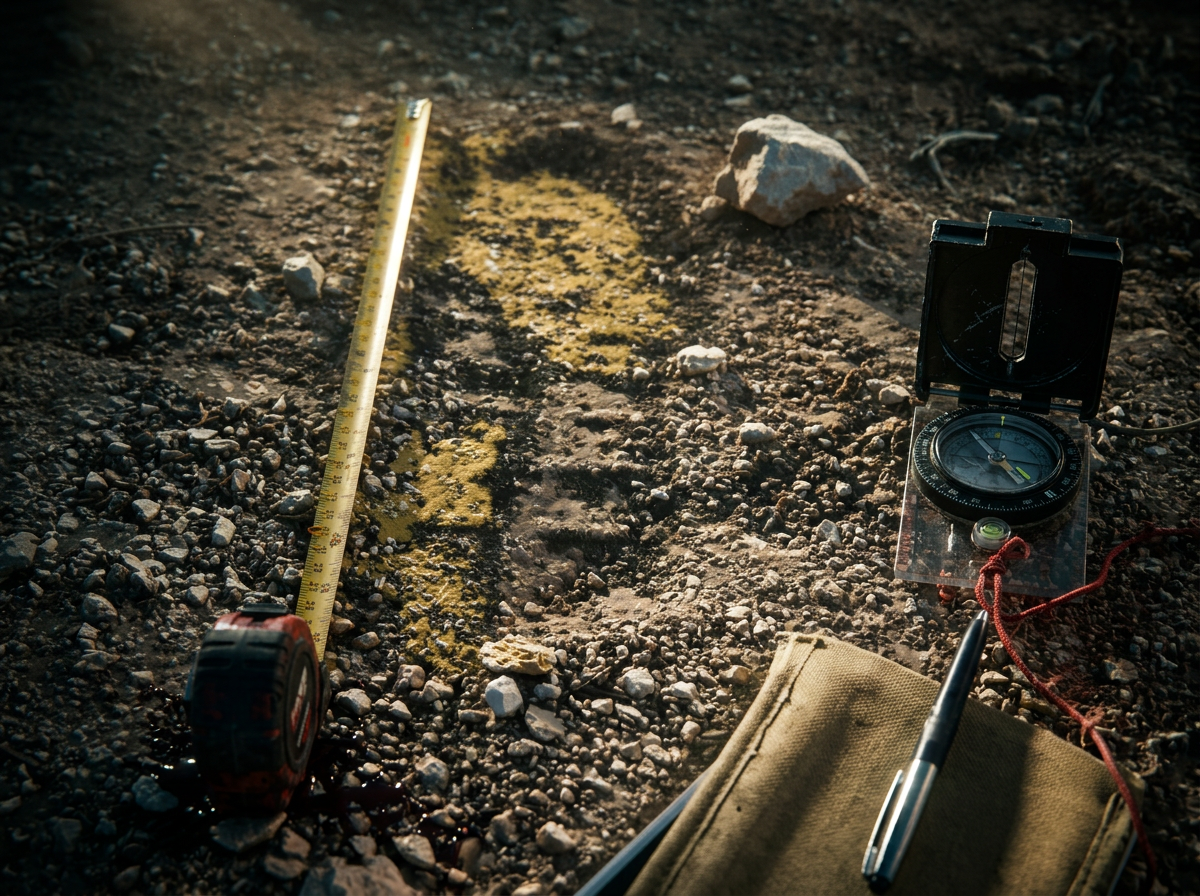
ð       G.P.S./Compass (A smartphone may be used if cell service is available at the training location. Navigation apps will be discussed during the course and are highly recommended.)

ð       Watch

ð       Hand-held flashlight with red/blue/green lenses

ð       Head Lamp with the red light capability

ð       Eye Protection with Clear Lenses

ð       Wet Weather Gear (If Needed)

ð       550 cord

ð       Pencil/Pen/Black Permanent Marker

ð       Notebook (Cover Recommended)

ð       Small Tape Measure (Milwaukee or Equivalent 6’ Metal Tape Measure Recommended)

ð       Multitool

ð       Camouflage Face Paint or Face Covering

ð       Insect Repellent

ð       Folding Chair

ð       Food for at least one meal in the field per day and snacks.

ð       Water/Sports Drinks

Special Note on Thermal Imaging Units:

If students have access to or utilize a thermal imaging unit, they are encouraged to bring it to class. There will be several opportunities for students to learn the benefits and limitations of thermal imaging. If the unit is capable of helmet mounting, please bring appropriate power supplies, helmets, and other ancillary gear for your use during the course.